Running Tests in Parallel in CI: Tools and Strategies
When teams work on software projects, testing can take a lot of time. If tests run one by one, the process becomes slow. Running tests in parallel in CI (Continuous…

When teams work on software projects, testing can take a lot of time. If tests run one by one, the process becomes slow. Running tests in parallel in CI (Continuous…
In software testing, one common challenge is making sure tests run the same way on every machine. Sometimes a test works on one computer but fails on another because of…
When you begin with test automation, you may wonder how to run your tests automatically. A reliable way to do this is with GitHub Actions, which comes built into GitHub.…
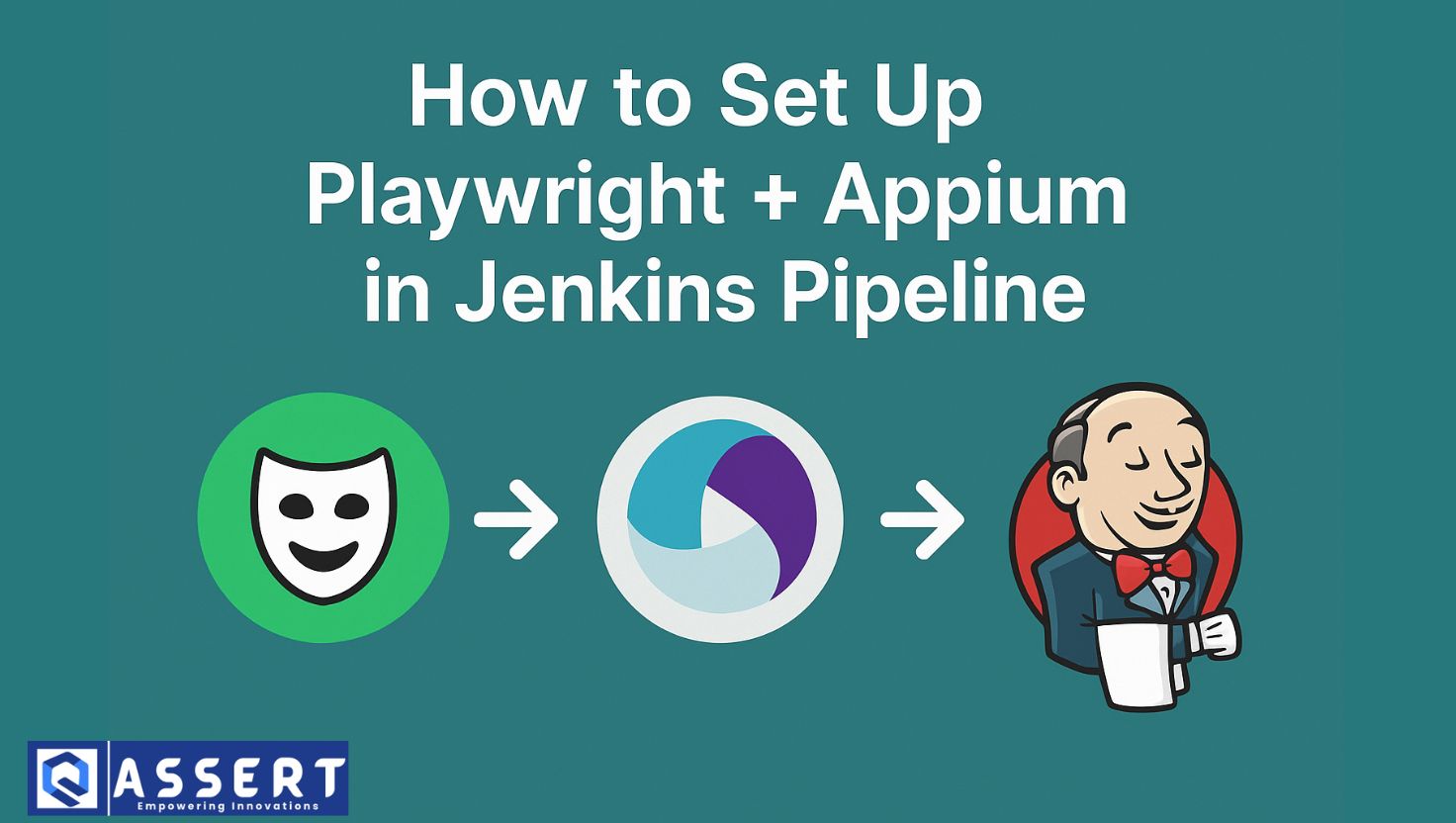
Setting up a Playwright Appium Jenkins setup is essential if you want to automate testing for both web and mobile apps in one CI/CD pipeline. Playwright helps automate web browsers,…
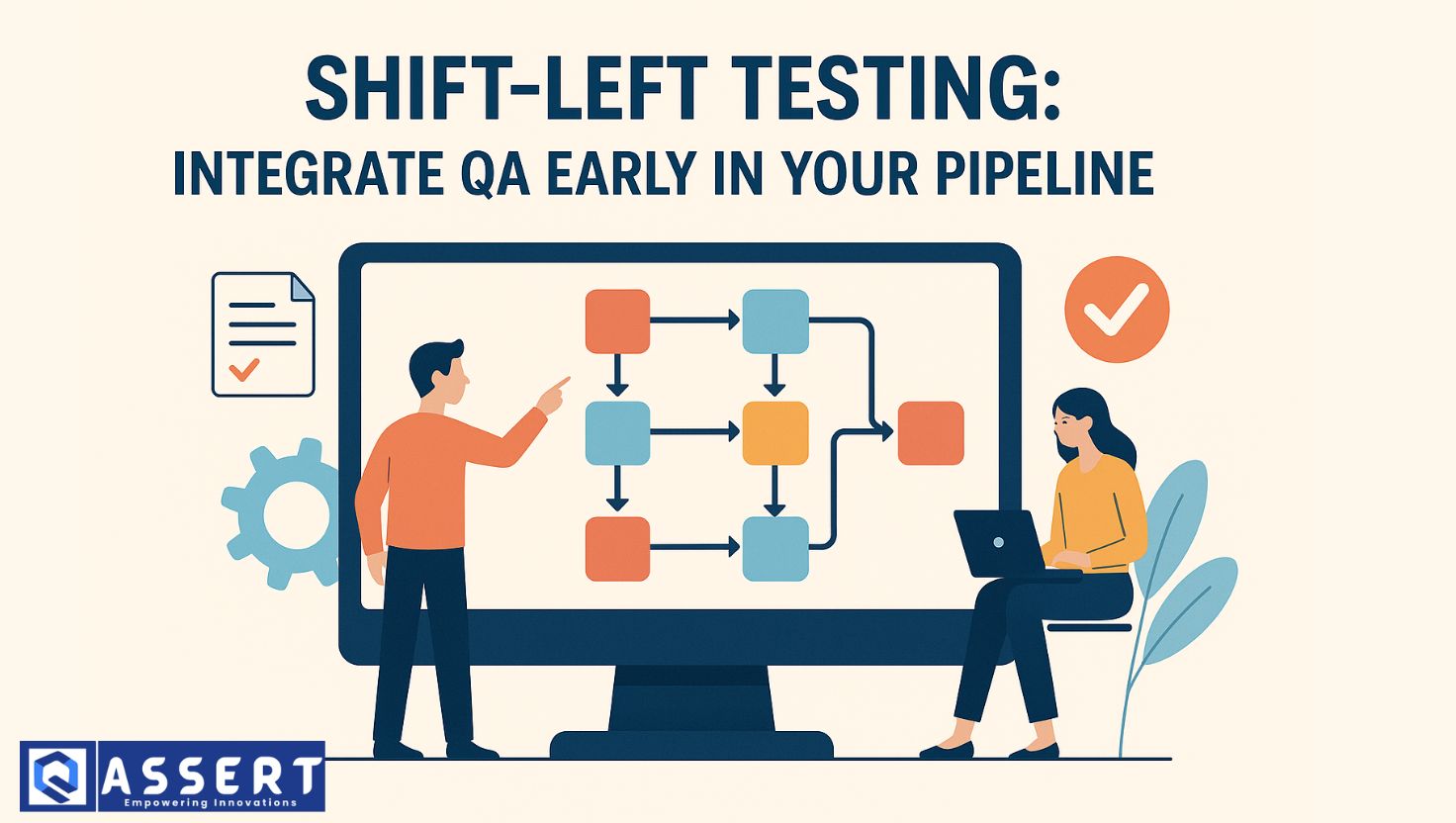
Finding bugs late in software development is costly and stressful. The idea of Shift-Left Testing changes this by moving testing earlier. Instead of waiting until the end, QA joins the…
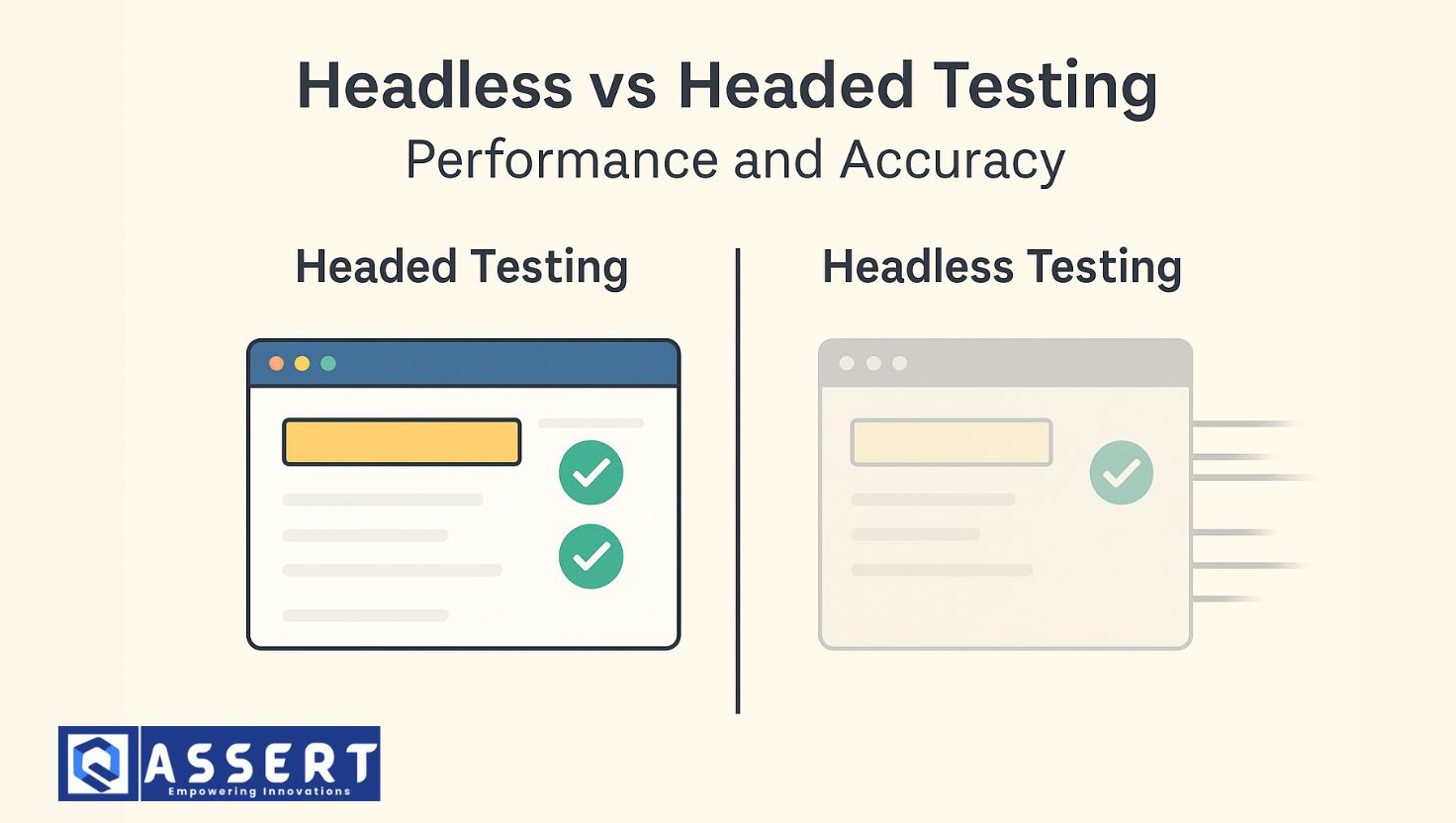
When we run automation tests, we often hear about headless vs headed testing. Many beginners get confused about what these terms mean. In this blog, we will explain the difference,…
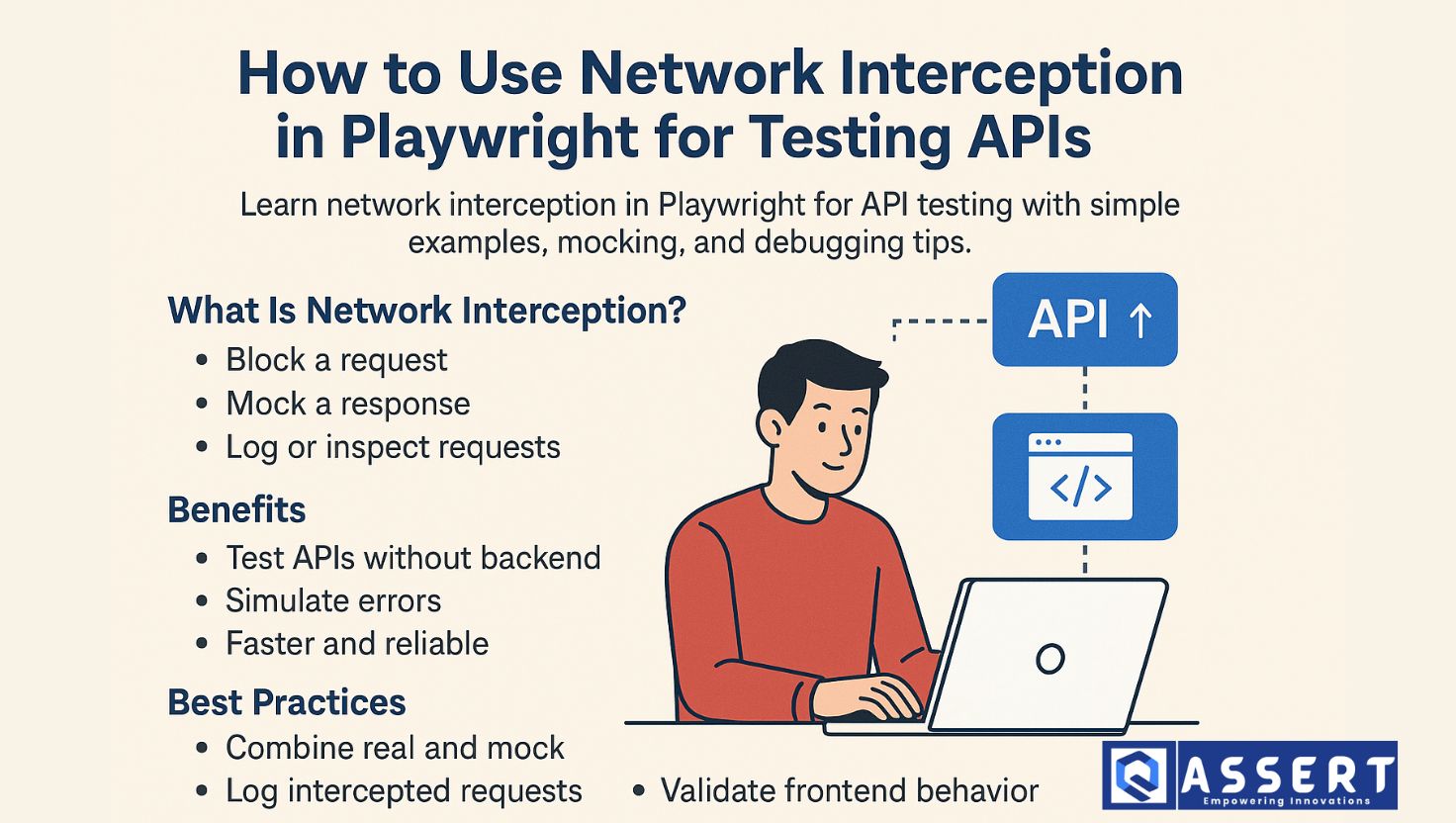
When we test applications, we often need to check how the app talks to the backend APIs. Network interception in Playwright helps us control and test these API calls. We…
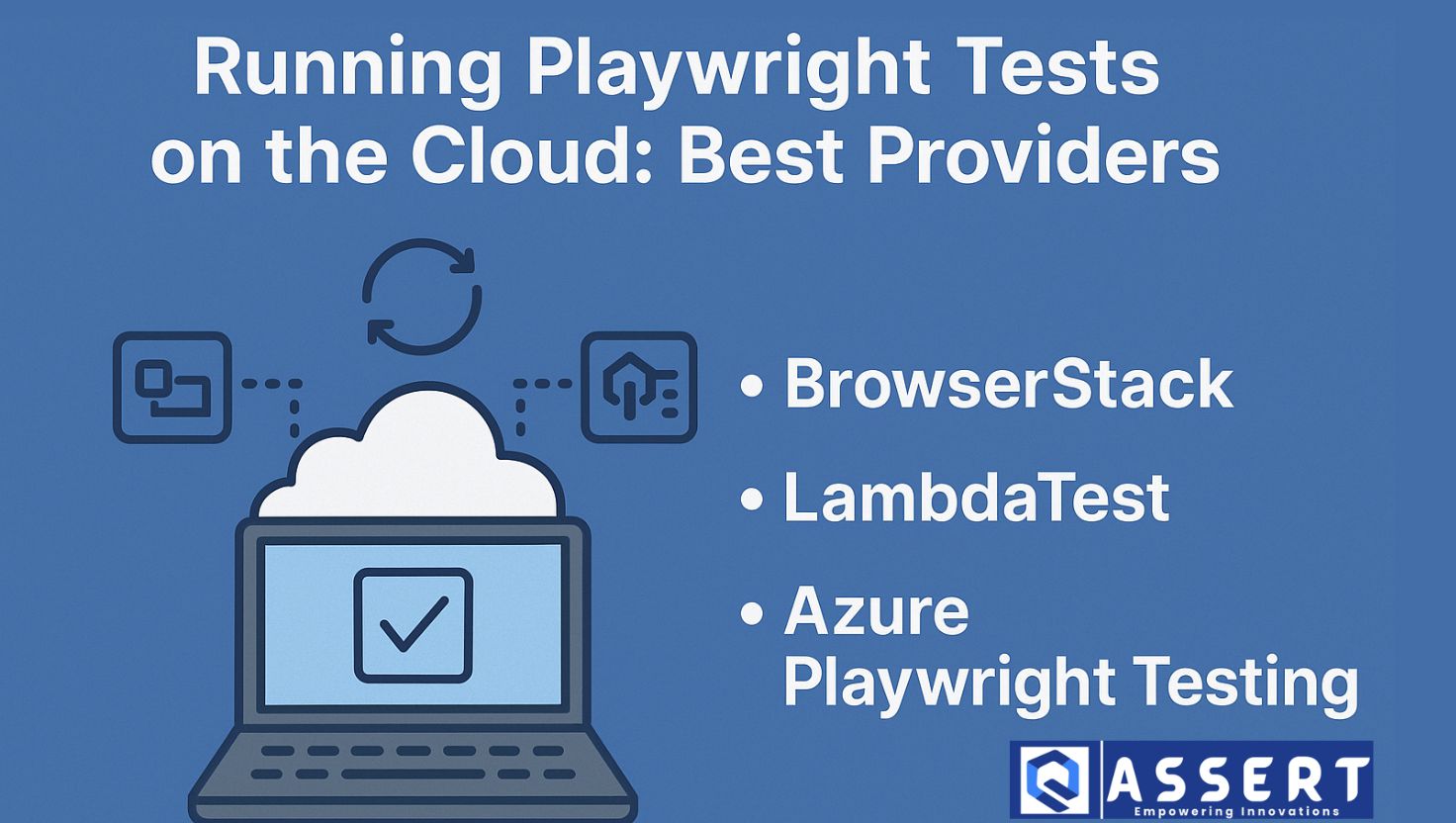
Testing webpages across browsers is easier than ever with Playwright—especially when you move testing to the cloud. Cloud-based testing makes your tests faster, scalable, and more reliable. Here are some…
If you work with Playwright, you may have faced flaky tests. A flaky test is one that sometimes passes and sometimes fails, even when nothing has changed in the code.…