Smart Fallback Locators in Playwright: Handling Flaky Tests
If you work with Playwright, you may have faced flaky tests. A flaky test is one that sometimes passes and sometimes fails, even when nothing has changed in the code.…

If you work with Playwright, you may have faced flaky tests. A flaky test is one that sometimes passes and sometimes fails, even when nothing has changed in the code.…
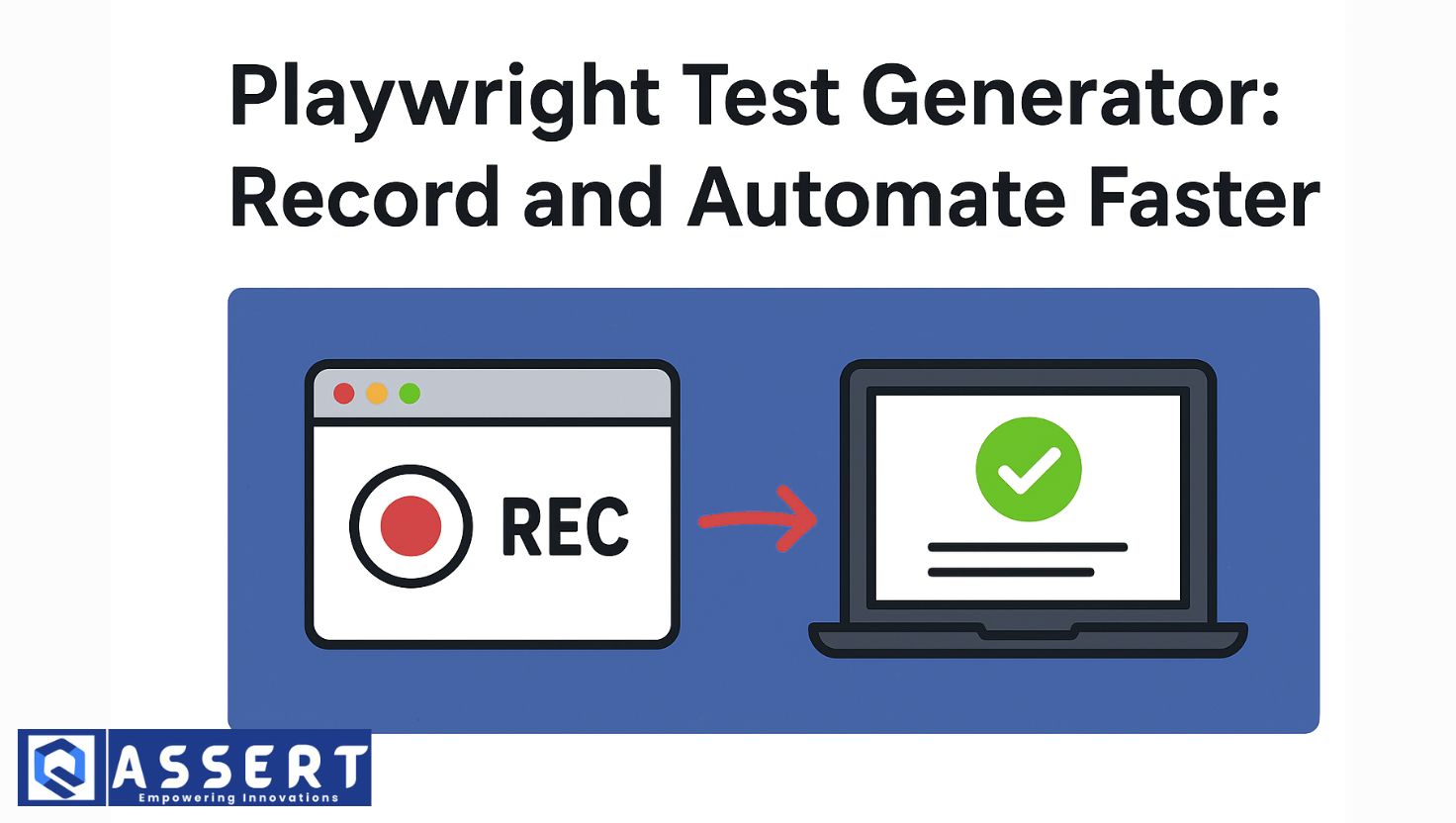
Testing web apps can take time, especially when you write test scripts manually. The Playwright Test Generator makes this process simple. Instead of coding every step, you can record actions…

In mobile app development, testing on real devices in CI/CD for mobile testing is essential to ensure your application works perfectly across different devices. While emulators and simulators are helpful,…
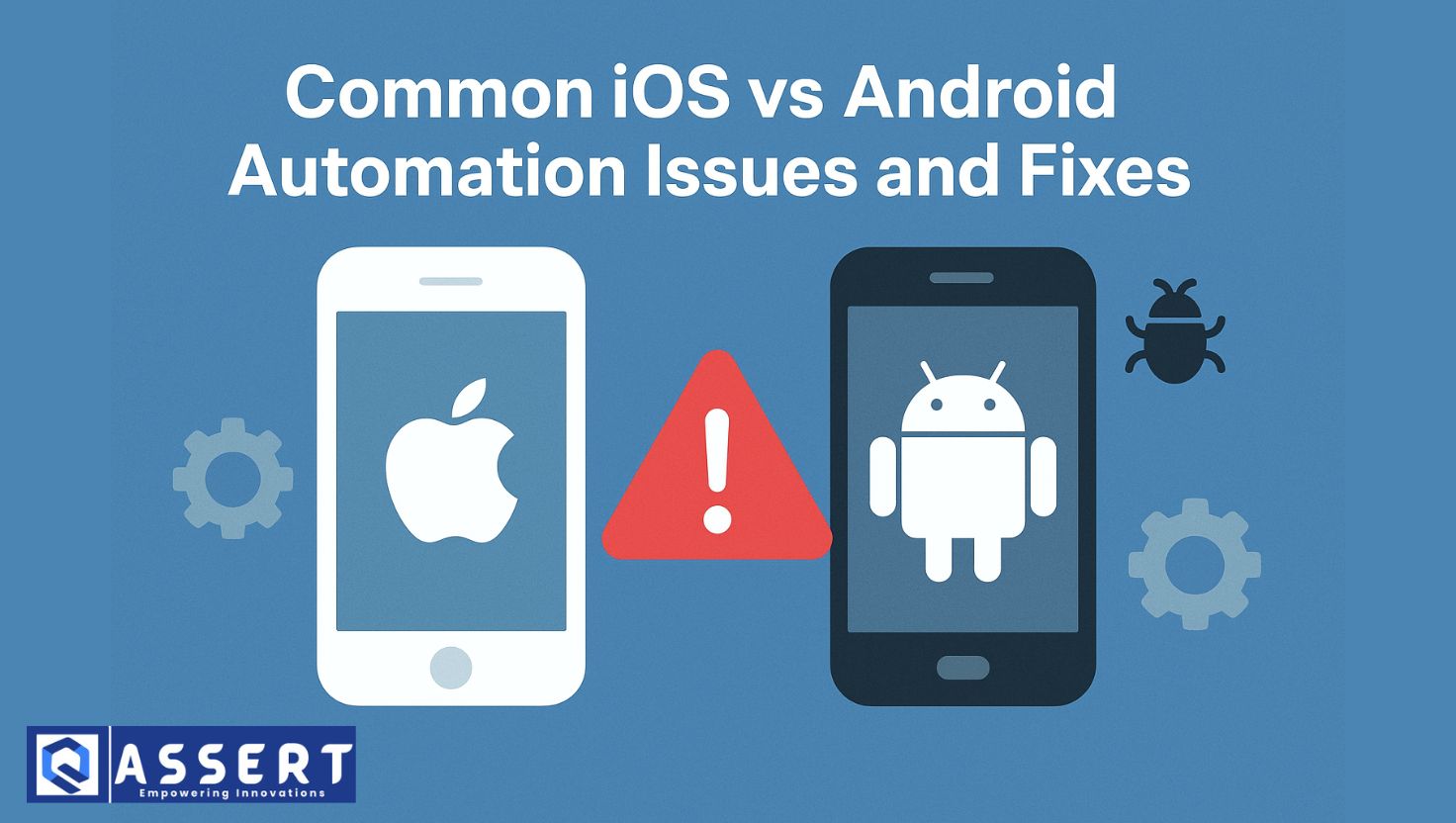
When testing apps, teams often face iOS vs Android automation issues. These problems happen because both platforms work differently. Beginners in mobile test automation can get confused, but with the…

Mobile app testing can be slow and error-prone, especially when element locators change frequently. Manual testing or static automation scripts fail often, wasting time. With AI-powered test automation, we can…

When we test mobile apps, we don’t just click buttons. Users swipe, scroll, tap, pinch, and zoom on their devices. To make sure the app works smoothly, we must test…
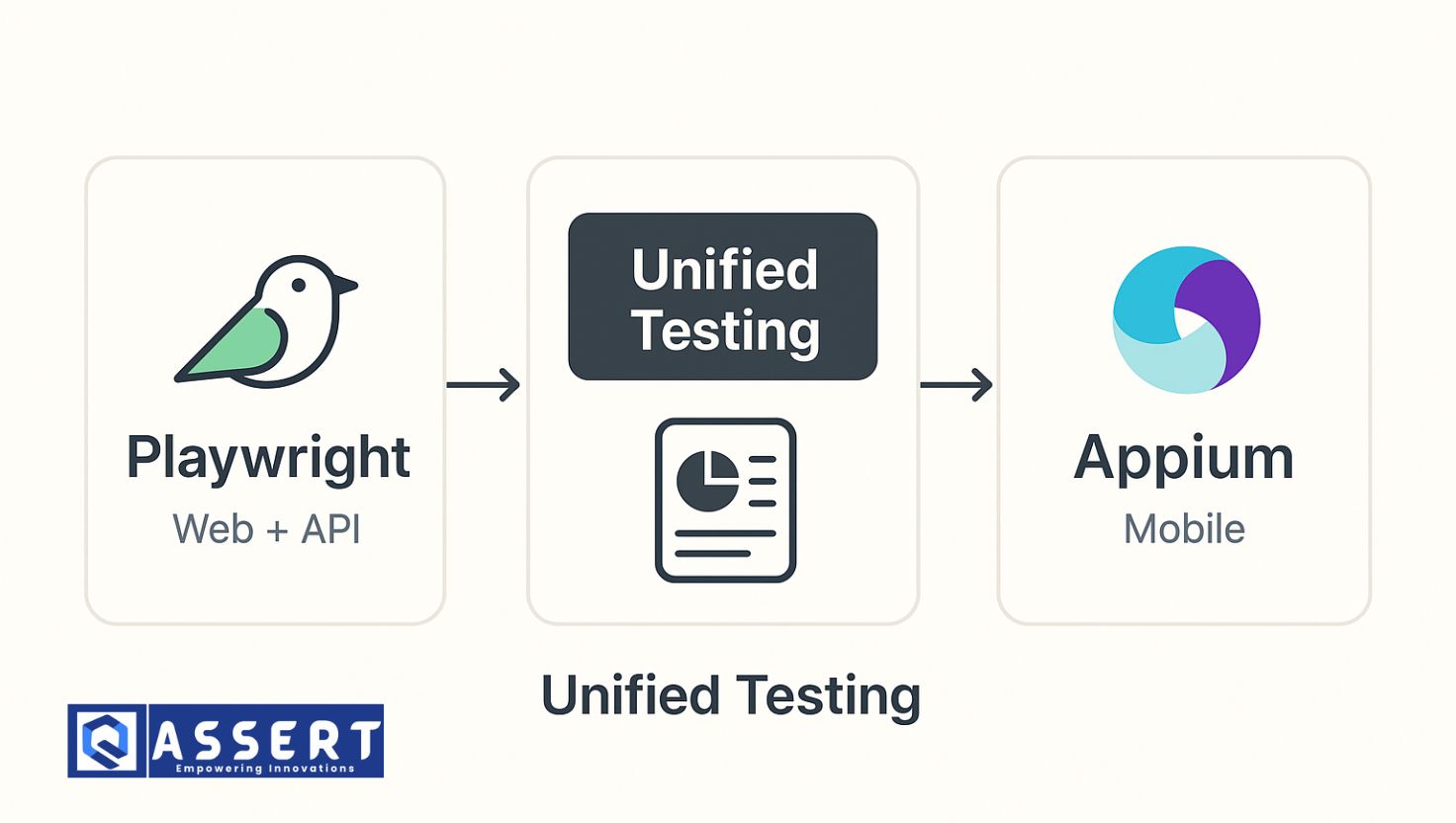
Today, testers often face a problem: Web apps need testing in browsers. Mobile apps need testing on Android and iOS. APIs also need to be tested. Most frameworks support only…
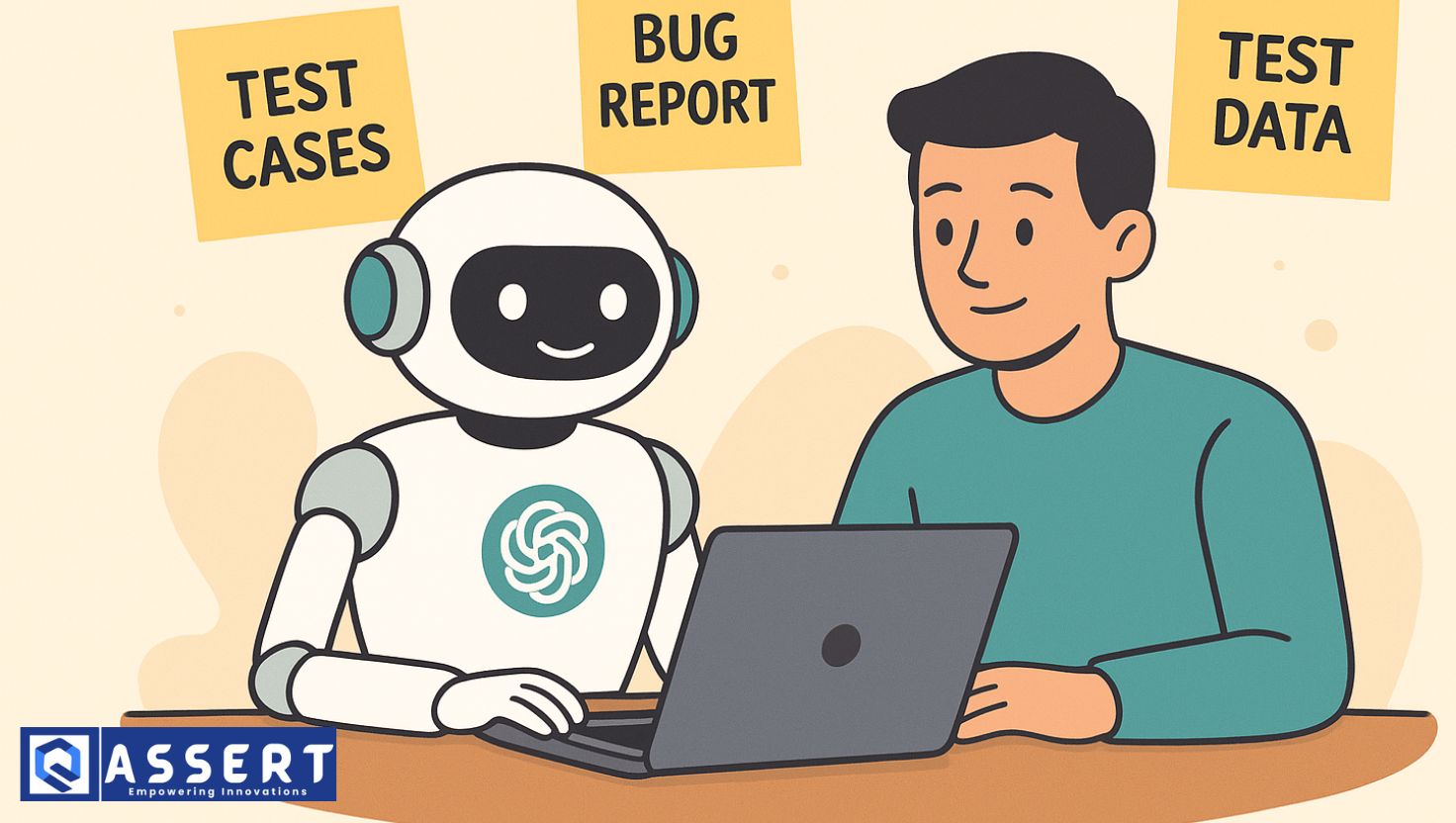
Software testers often spend a lot of time on repetitive work—writing test cases, preparing test data, or summarizing bugs. With ChatGPT for testers, you can save time, improve quality, and…
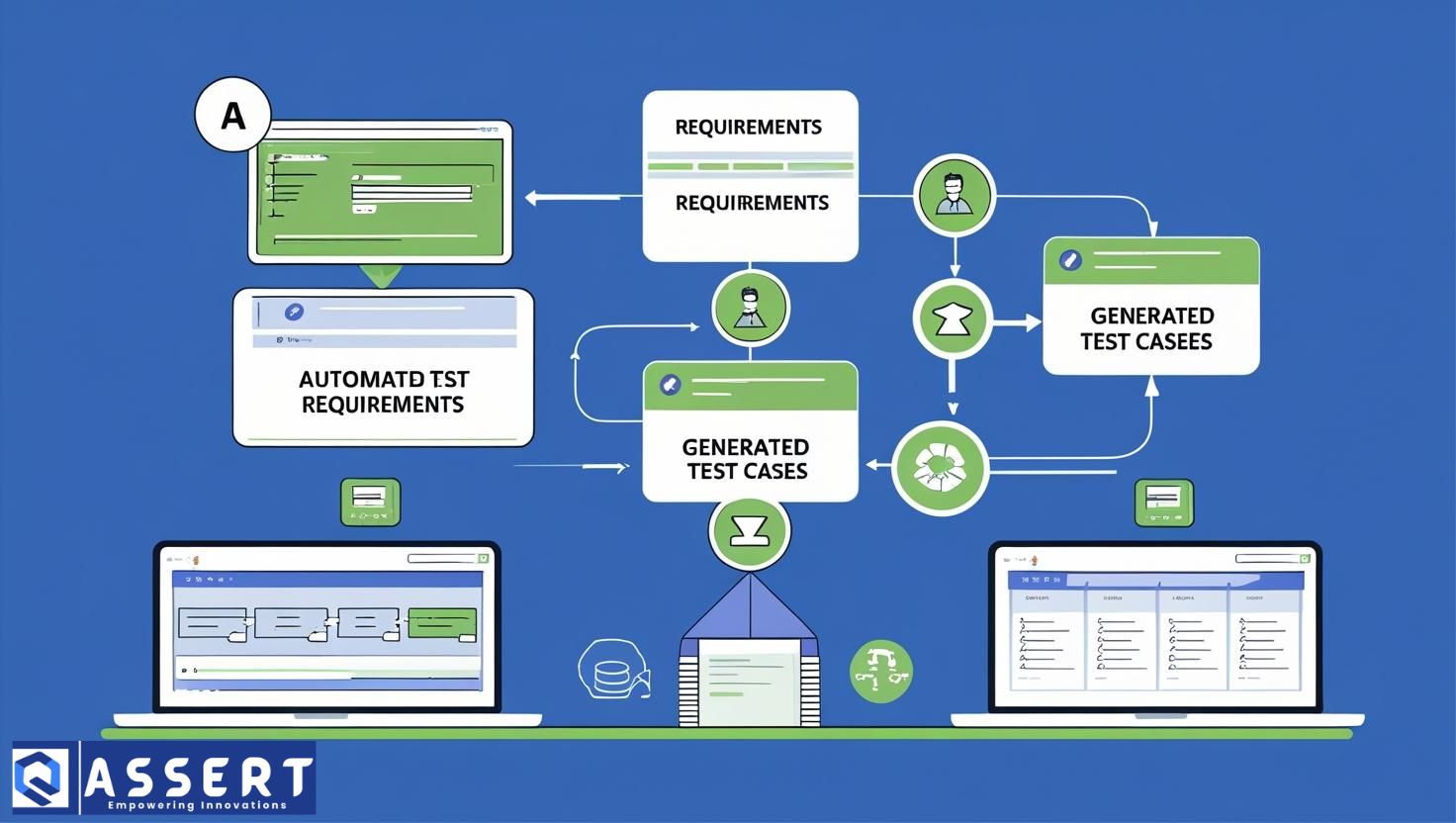
Writing test cases from requirements can take a lot of time. Testers read the requirements, understand them, and then create test cases manually. This process can be slow and may…