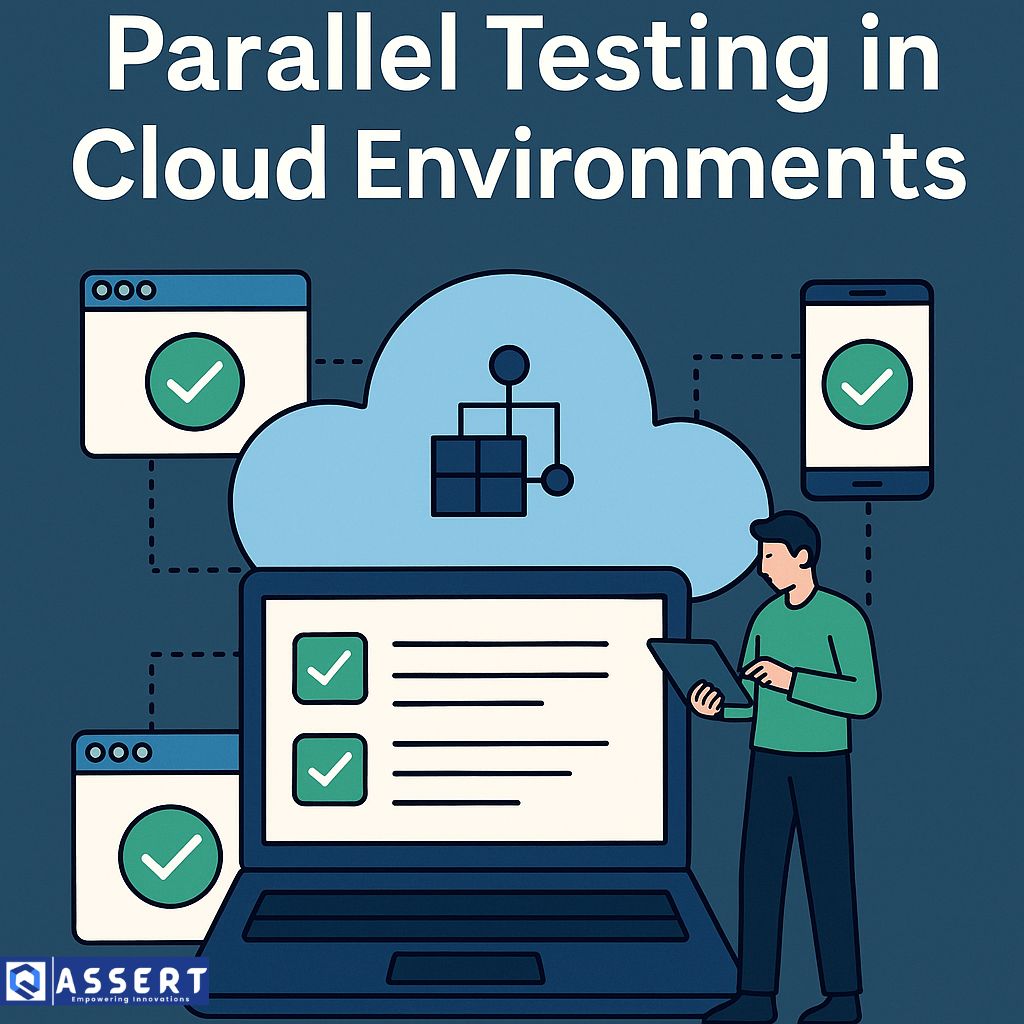
How to Implement Parallel Testing in Cloud Environments
If you run many automated tests — for example for web or mobile apps — running them one by one can take a long time. That’s where parallel testing in…

If you run many automated tests — for example for web or mobile apps — running them one by one can take a long time. That’s where parallel testing in…
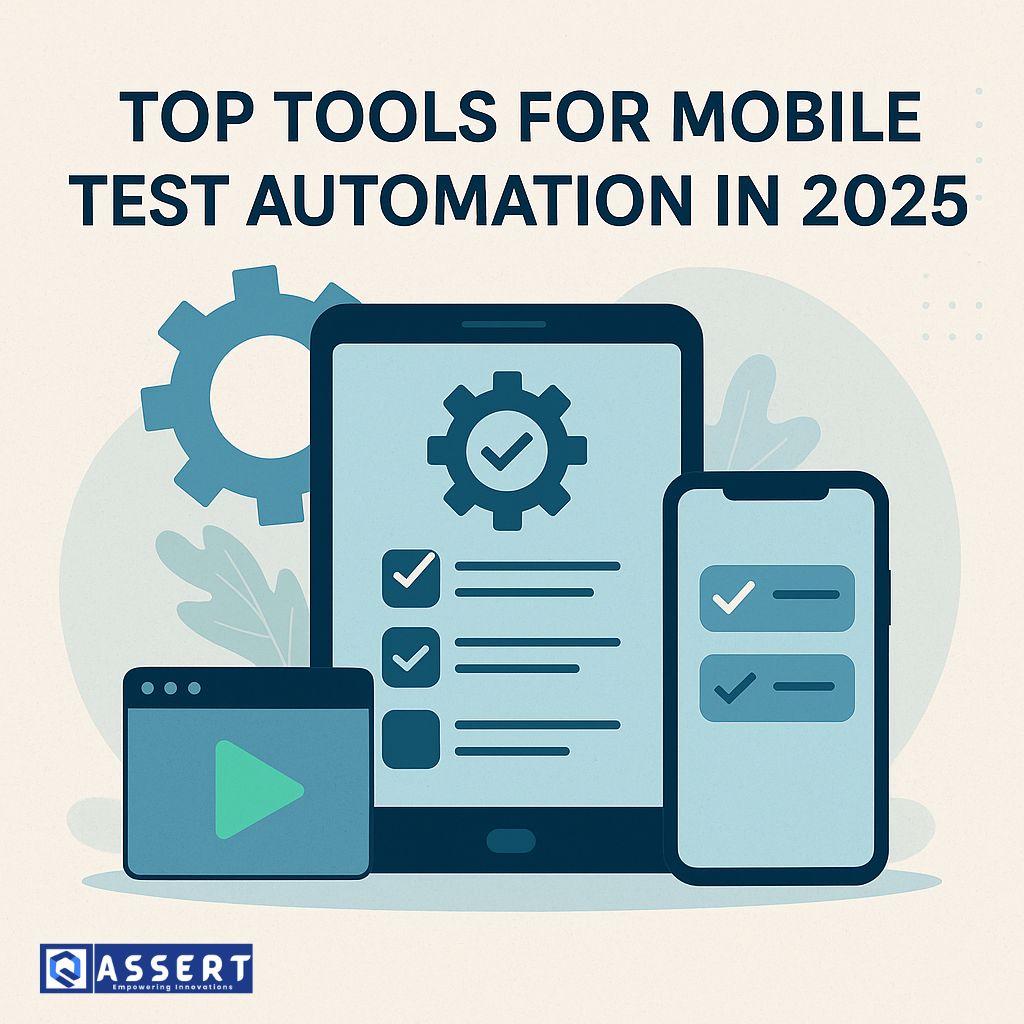
Mobile apps are growing very fast. Companies want to test apps quickly, safely, and on many devices. In 2025, mobile automation tools have become smarter, faster, and easy to use.…

When building a test automation framework, one of the most important design principles is modularity.In simple terms, framework modularity means breaking your code into small, reusable parts or modules that…

Introduction Creating a strong test automation framework is not just about writing working scripts. It’s about designing them to be scalable, reusable, and easy to maintain. That’s where design patterns…
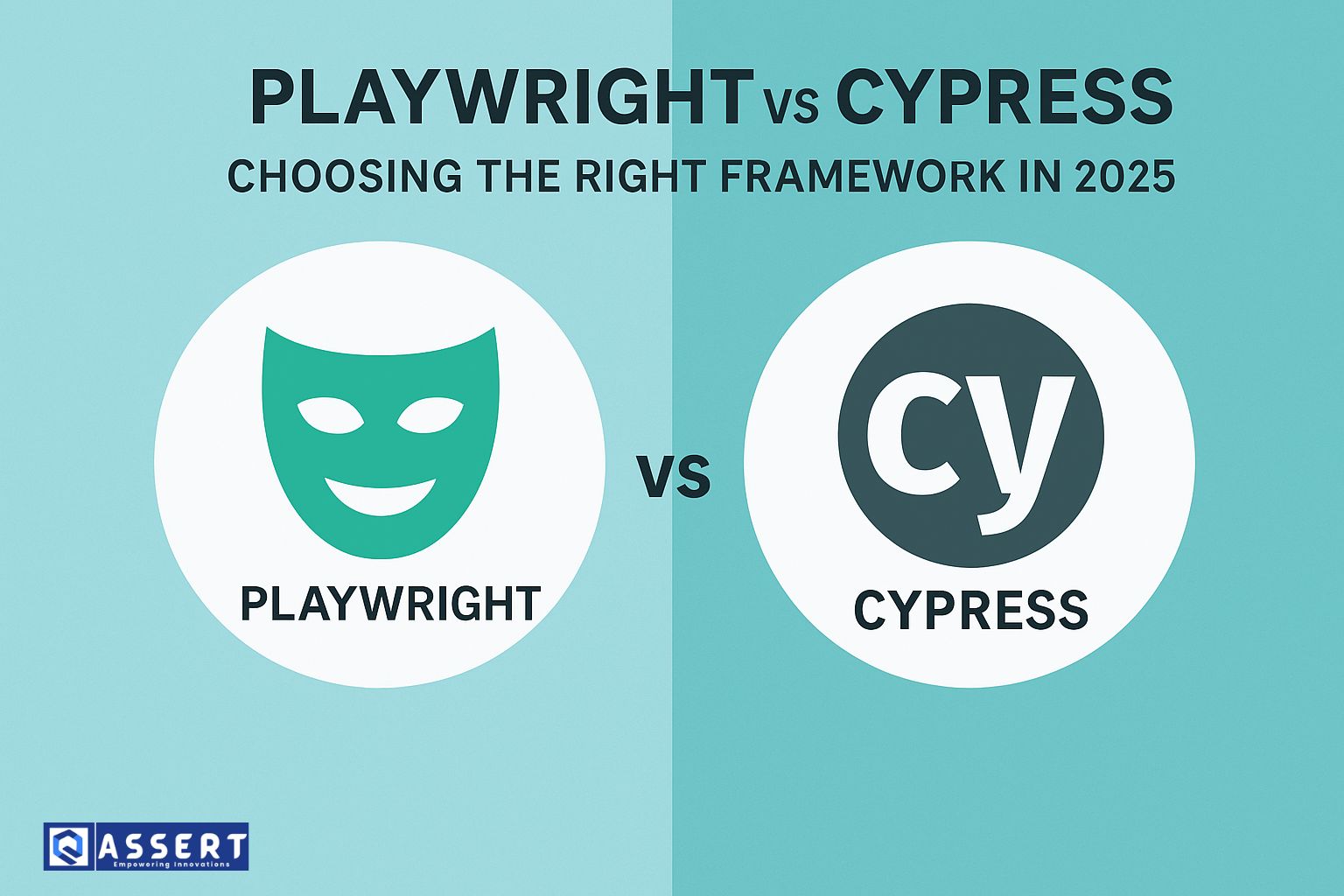
Choosing the right test automation framework is an important decision for QA teams in 2025. Two of the most popular tools today are Playwright and Cypress. Both help in automating…
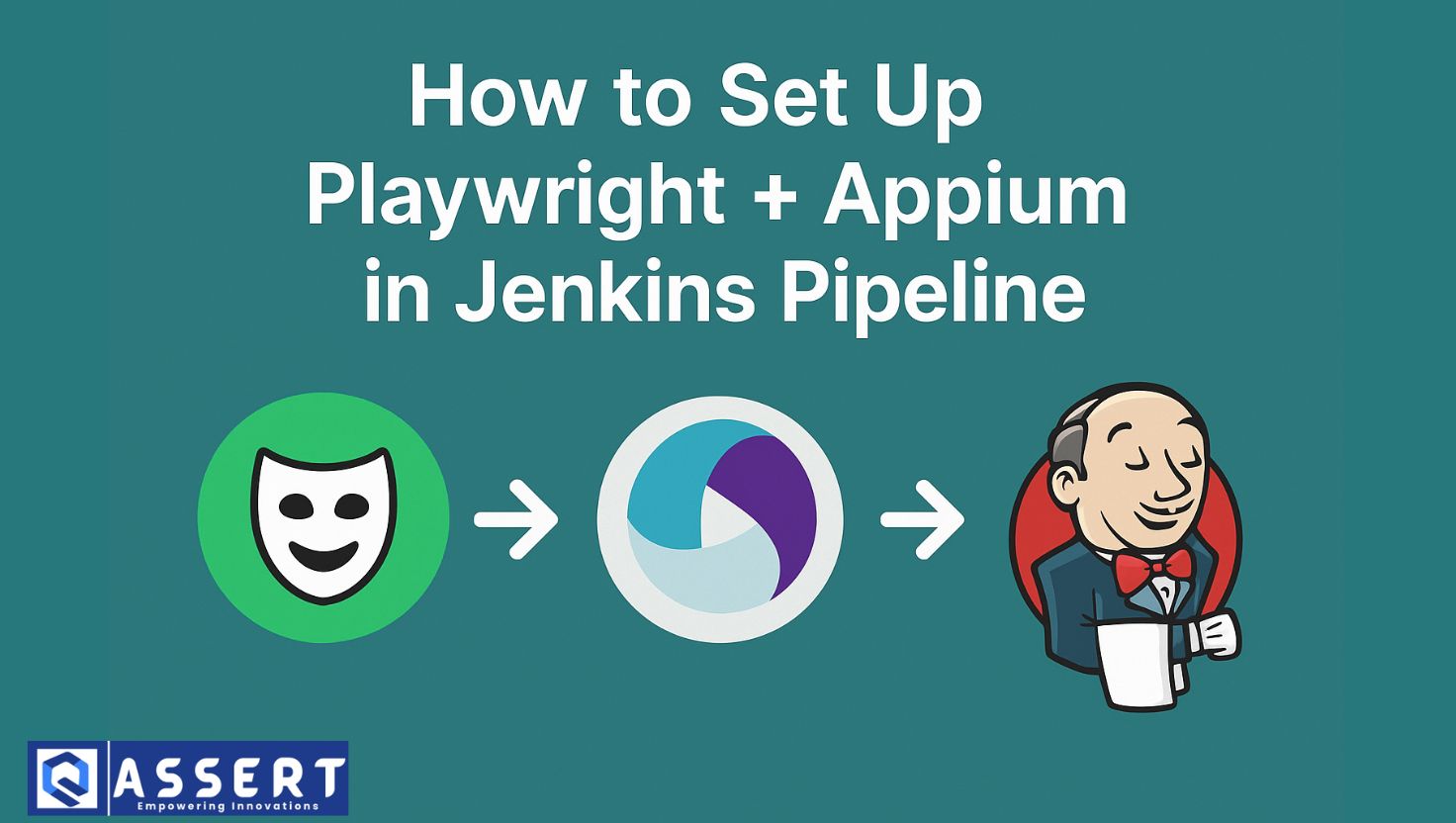
Setting up a Playwright Appium Jenkins setup is essential if you want to automate testing for both web and mobile apps in one CI/CD pipeline. Playwright helps automate web browsers,…
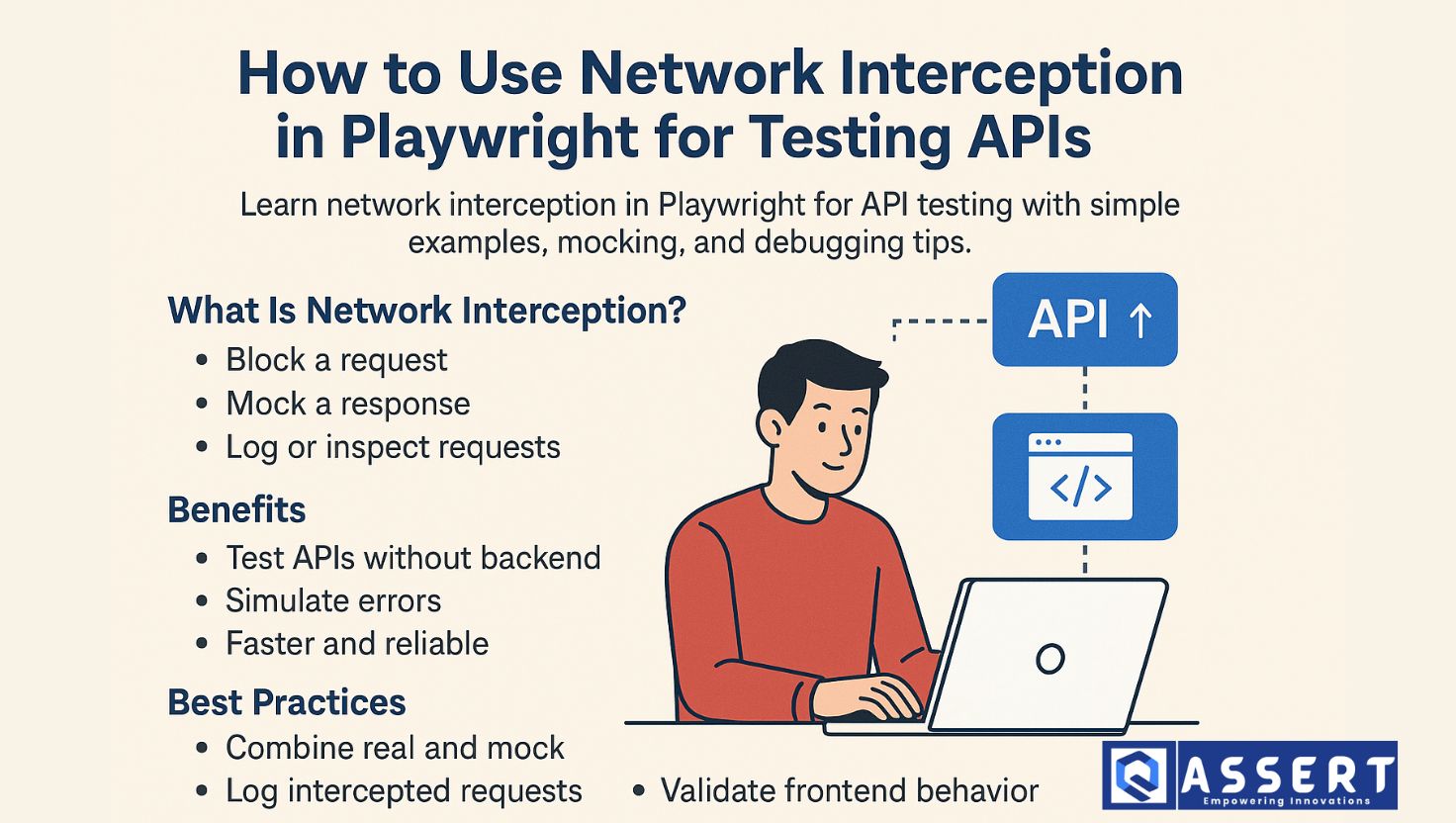
When we test applications, we often need to check how the app talks to the backend APIs. Network interception in Playwright helps us control and test these API calls. We…
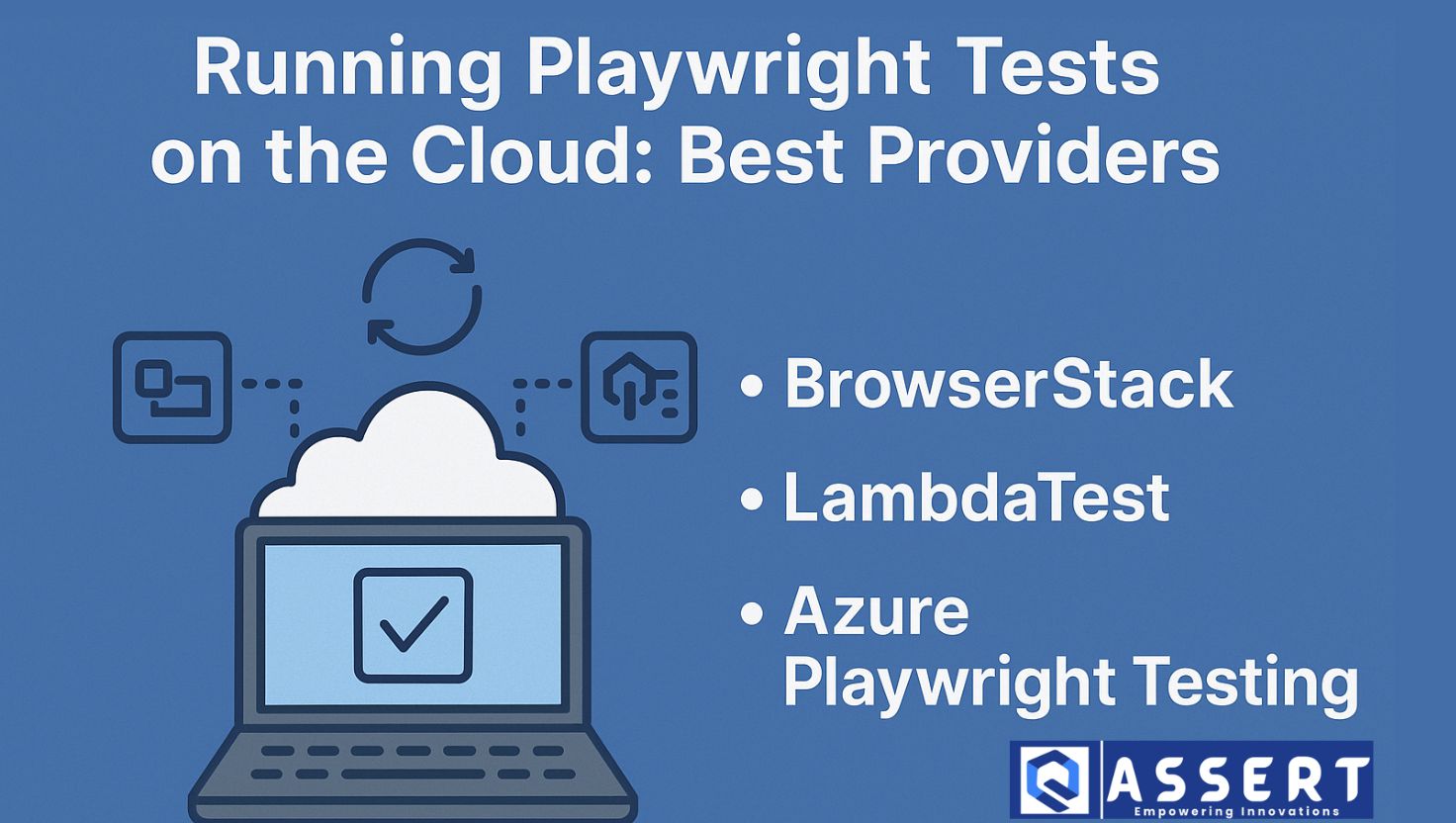
Testing webpages across browsers is easier than ever with Playwright—especially when you move testing to the cloud. Cloud-based testing makes your tests faster, scalable, and more reliable. Here are some…
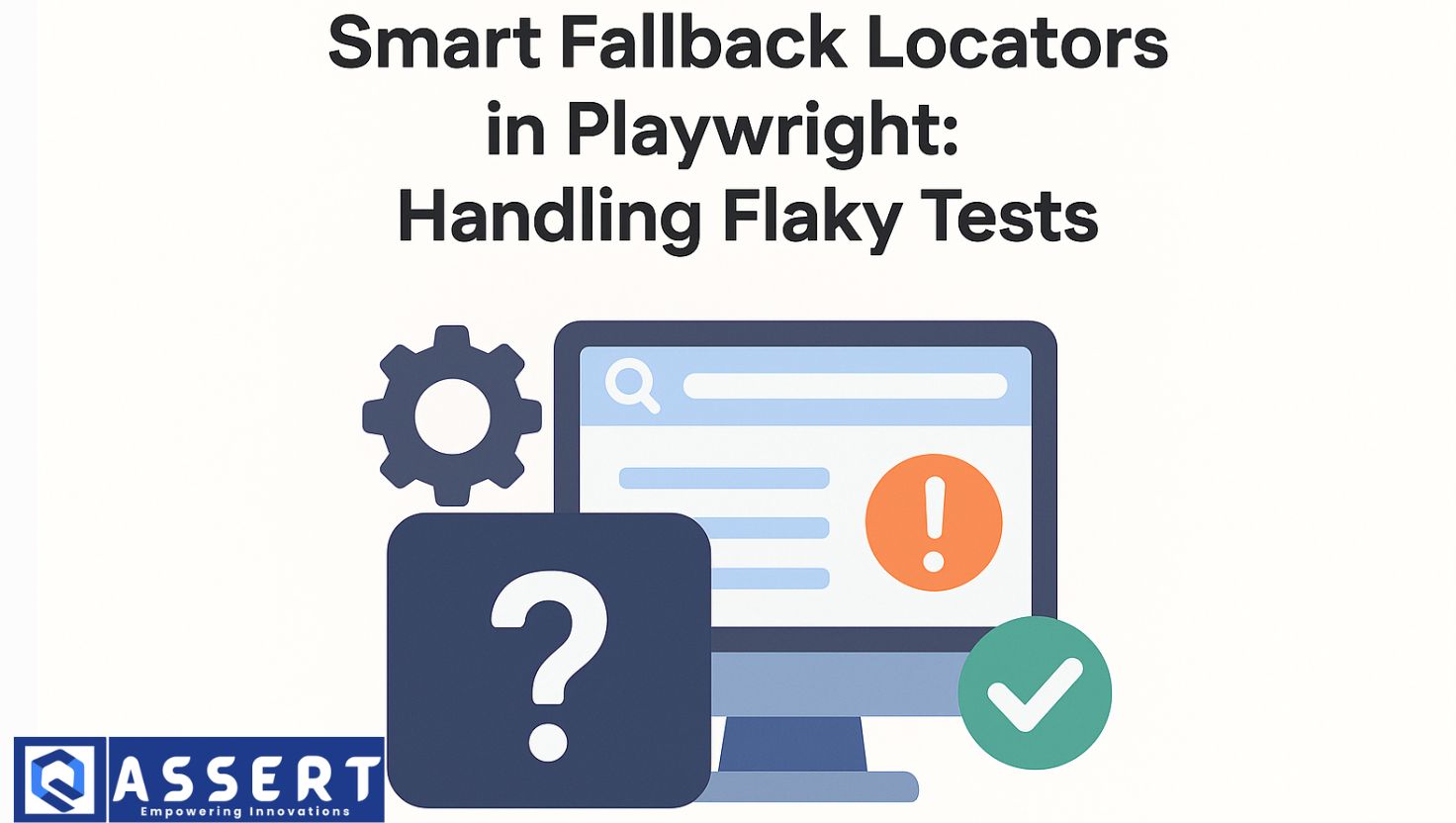
If you work with Playwright, you may have faced flaky tests. A flaky test is one that sometimes passes and sometimes fails, even when nothing has changed in the code.…