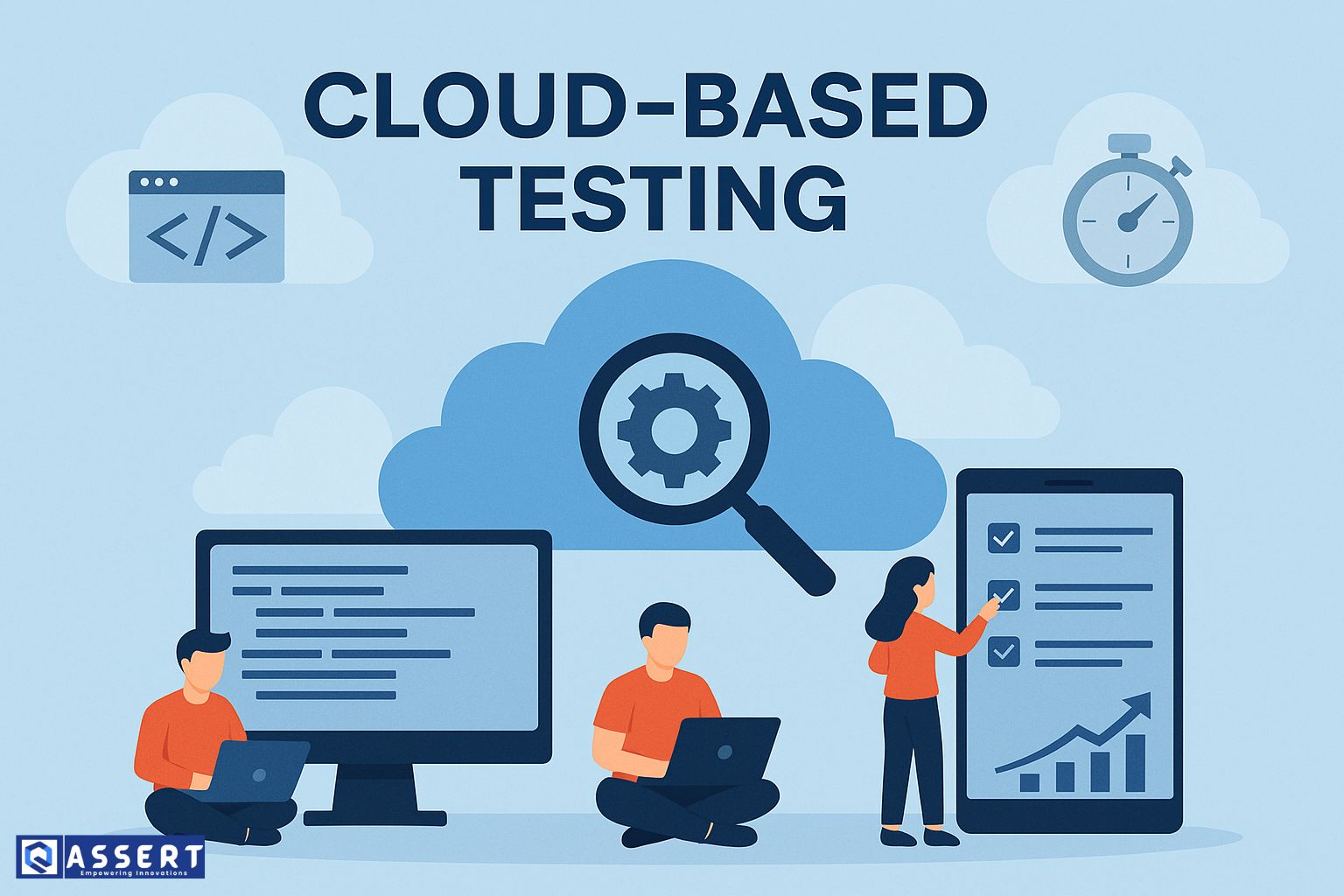
Cloud-Based Testing: Benefits and Best Practices
Cloud-based testing is a simple way to test apps using cloud platforms instead of local machines. It helps teams save cost, run tests faster, and access many devices online. Cloud…

Cloud-based testing is a simple way to test apps using cloud platforms instead of local machines. It helps teams save cost, run tests faster, and access many devices online. Cloud…
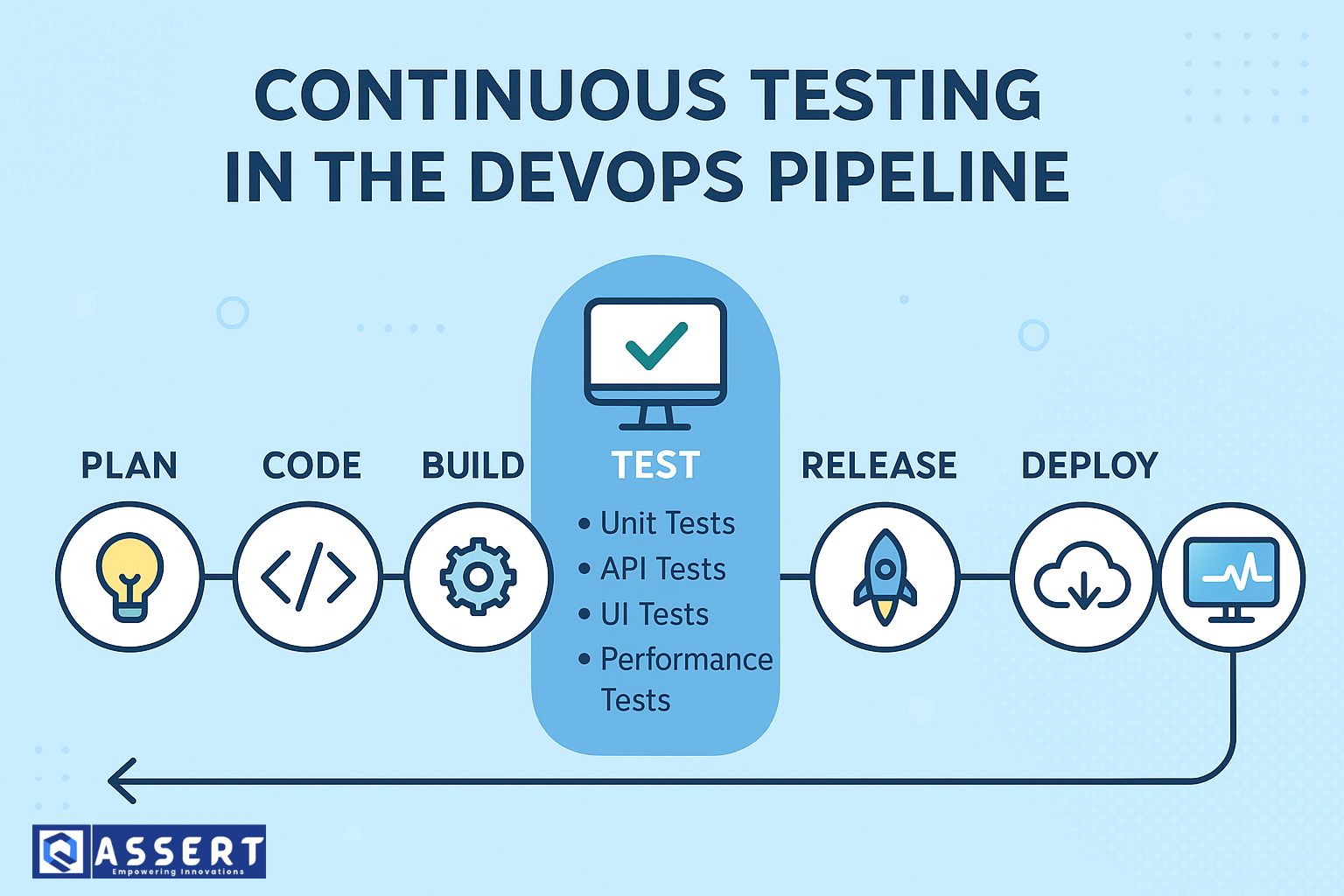
Today, companies want to release software faster and with better quality. This is where DevOps helps. DevOps connects development and operations teams so they can work together smoothly. A key…
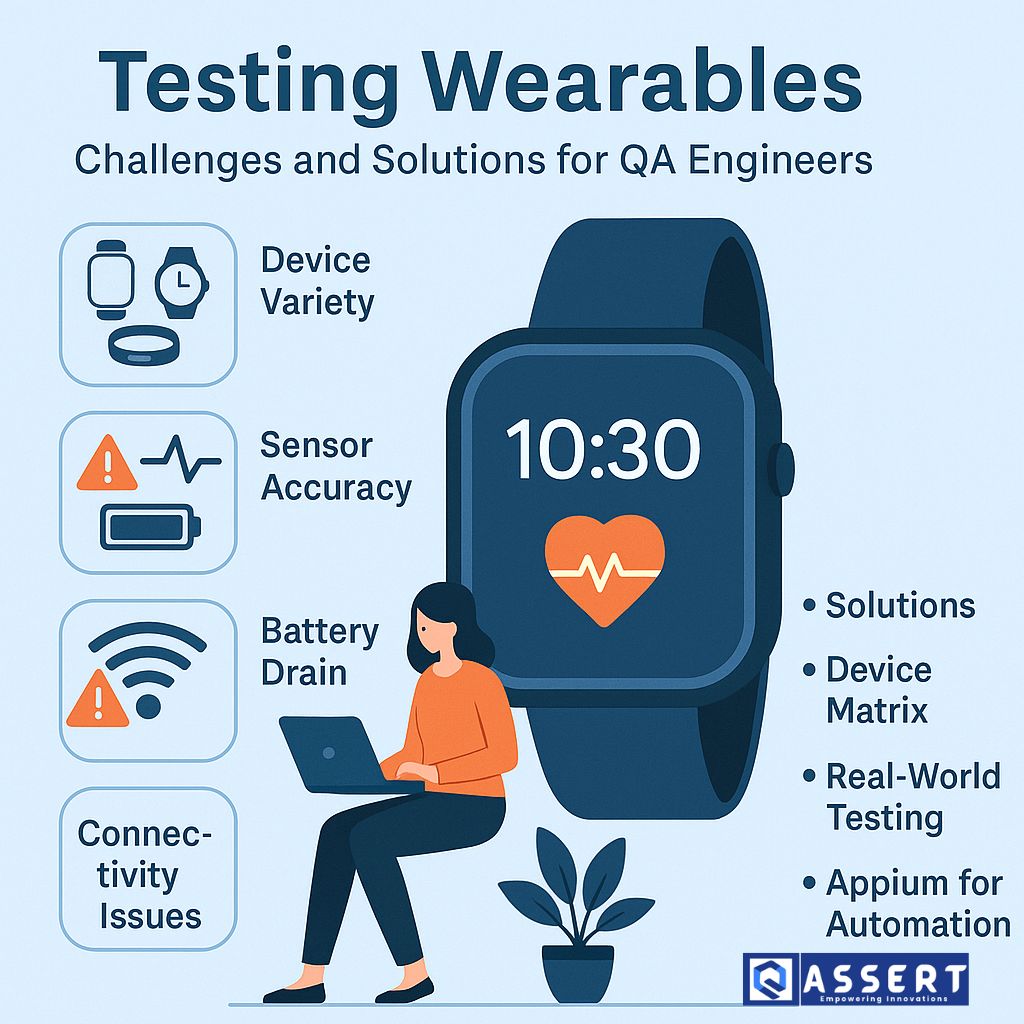
Wearable devices are now common in daily life. Smartwatches, fitness bands, smart glasses, and health trackers need strong testing to ensure quality. In this guide, we will explain the top…

Today, mobile users expect apps to be fast, smooth, and stable. If your app is slow, freezes, or crashes, users will uninstall it immediately.This is where mobile performance testing helps.…

In the past, QA (Quality Assurance) mainly focused on checking if the software worked correctly. But with DevSecOps, QA is no longer just about testing for bugs. It also includes…
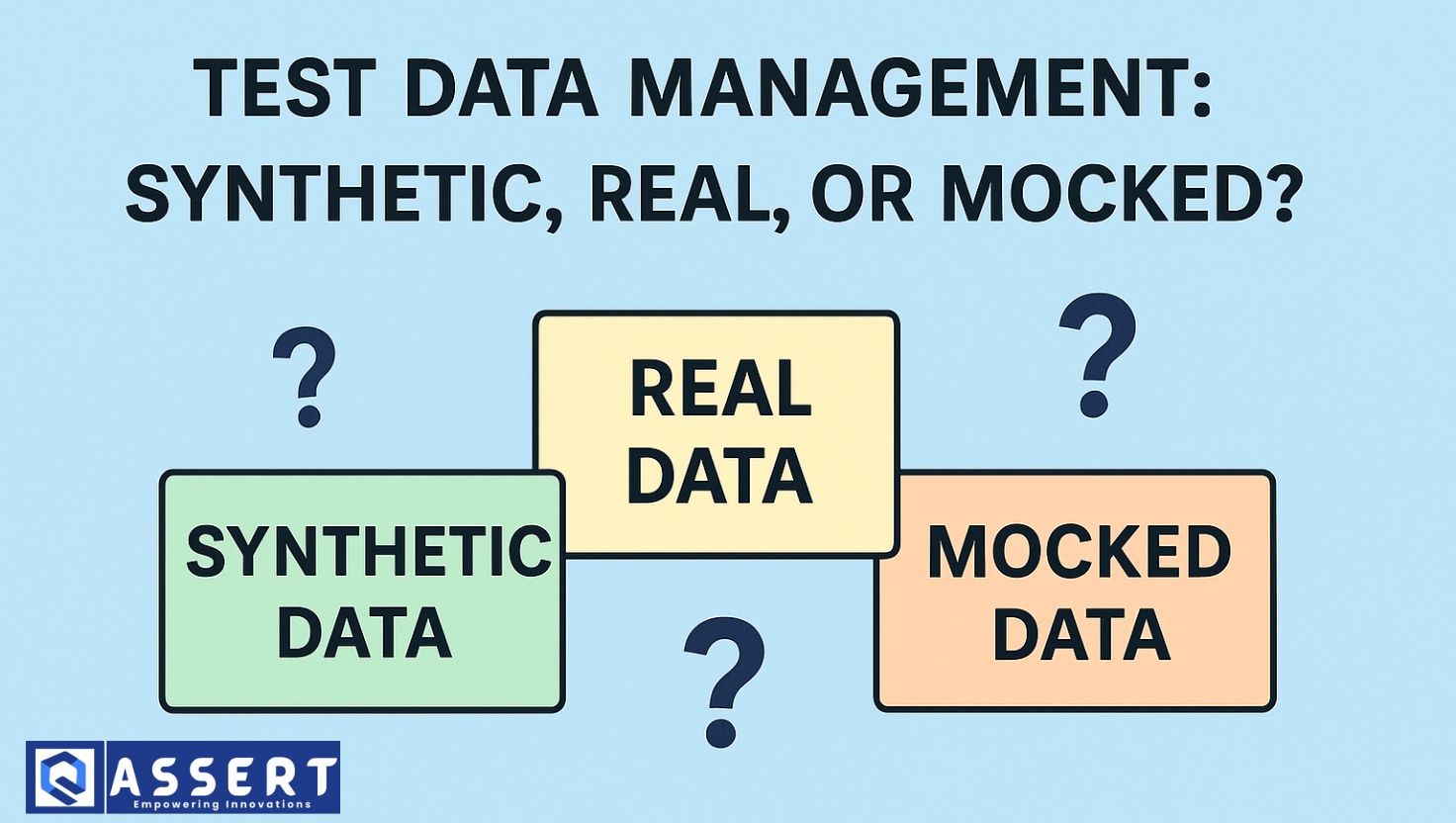
In software testing, test data management plays a big role. Good test data helps teams run tests smoothly, find bugs early, and deliver quality software. But many testers ask the…

Setting up a Playwright Appium Jenkins setup is essential if you want to automate testing for both web and mobile apps in one CI/CD pipeline. Playwright helps automate web browsers,…
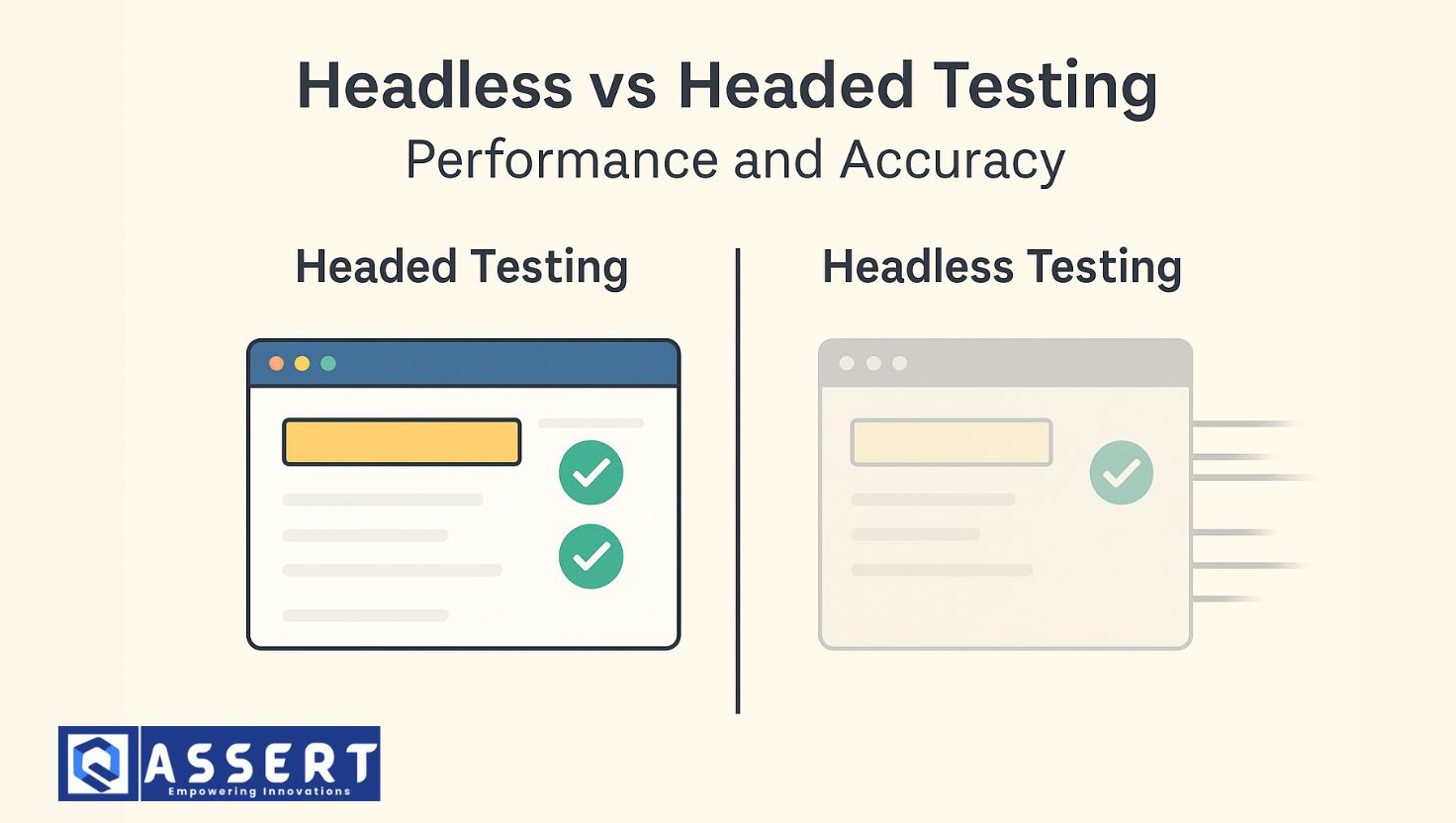
When we run automation tests, we often hear about headless vs headed testing. Many beginners get confused about what these terms mean. In this blog, we will explain the difference,…
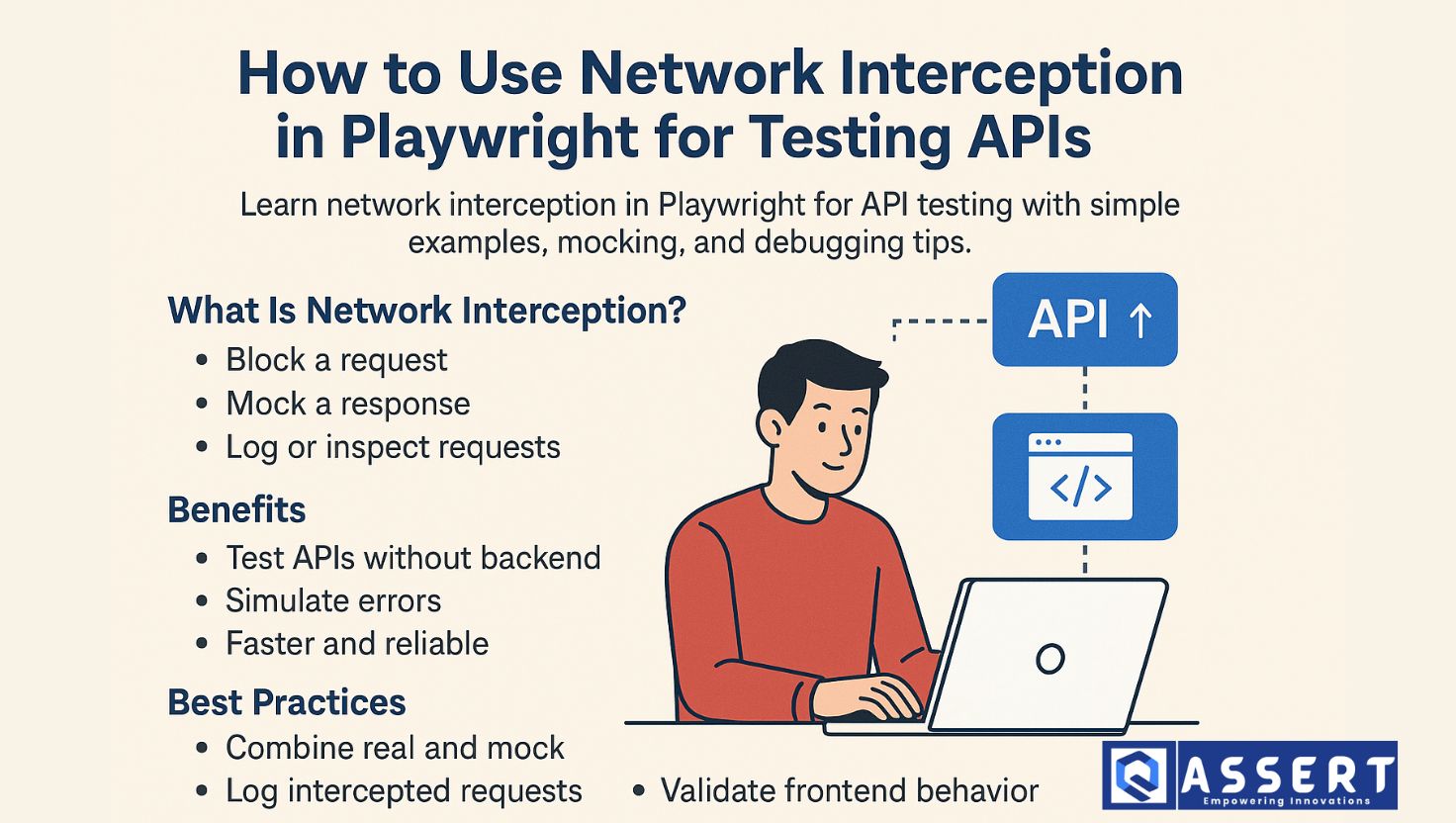
When we test applications, we often need to check how the app talks to the backend APIs. Network interception in Playwright helps us control and test these API calls. We…