
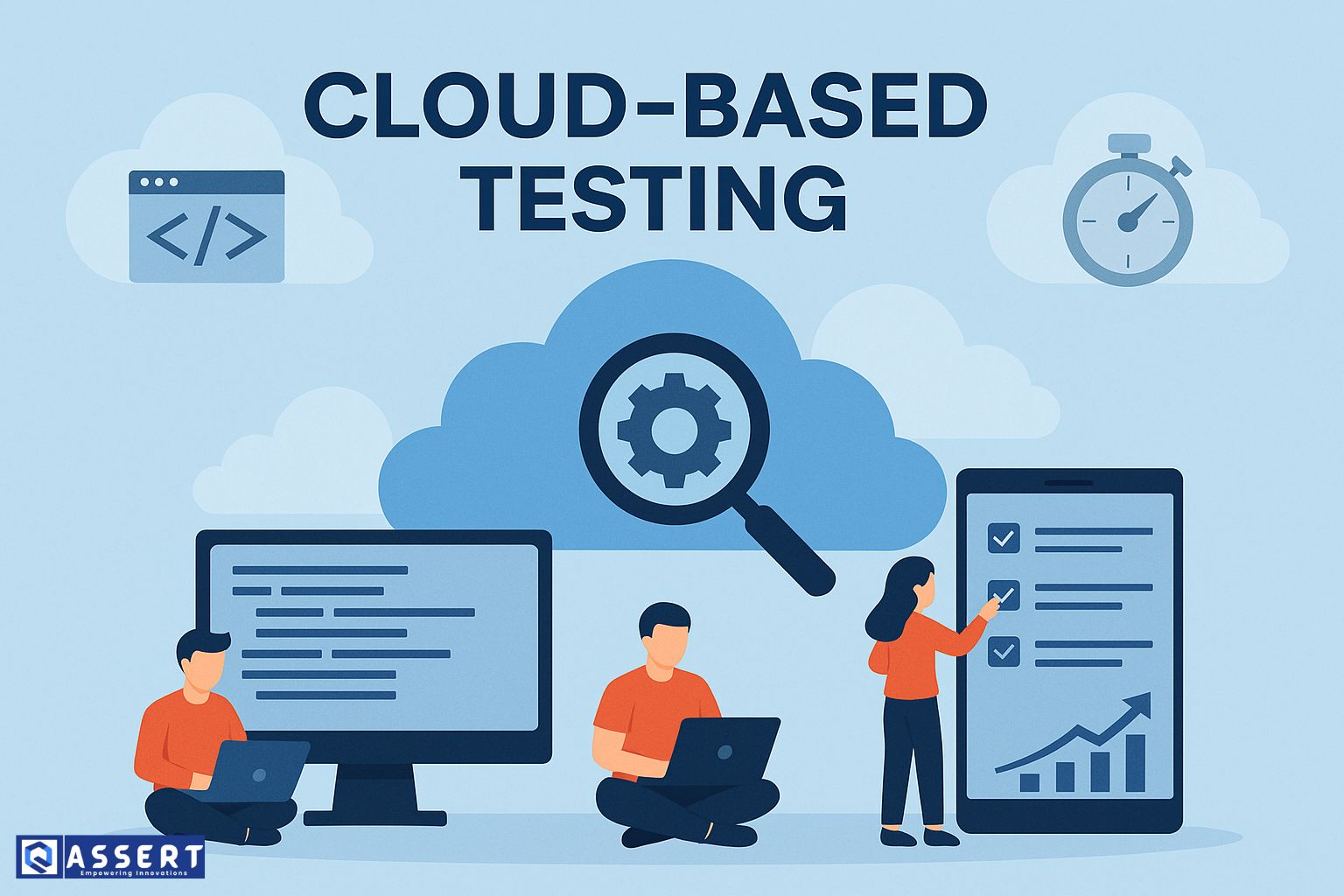
Cloud-based testing is a simple way to test apps using cloud platforms instead of local machines. It helps teams save cost, run tests faster, and access many devices online.
Cloud testing is helpful for UI testing, mobile testing, performance testing, and API testing.
Benefits of Cloud QA Platforms
1️⃣ Access to Many Devices in Cloud
Teams can test on different browsers, OS versions, and mobile devices easily.
2️⃣ Cost-Effective Testing in Cloud
There is no need to buy or maintain real devices or lab machines.
3️⃣ Faster Execution With Cloud Servers
Cloud QA platforms provide parallel execution and high-speed machines.
4️⃣ Easy Remote Access
Developers and testers can run tests from anywhere.
5️⃣ Better Debugging With Cloud Dashboards
Cloud tools offer videos, logs, and screenshots for simple issue analysis.
Learn more about testing best practices here:
➡️ How to Automate App Permissions Testing
Best Practices for Cloud-Based Testing
1️⃣ Plan a Clear Cloud Testing Strategy
Choose which tests—UI, API, mobile, or regression—should run in cloud environments.
2️⃣ Use Automation Tools in Cloud QA
Playwright, Selenium, Appium, and Cypress work well with cloud testing platforms.
3️⃣ Use Parallel Testing for Speed
Parallel runs reduce total execution time and improve team productivity.
4️⃣ Protect Data Used in Cloud Platforms
Mask sensitive or personal data before sending it to the cloud.
5️⃣ Connect Cloud Testing With CI/CD
CI pipelines in Jenkins, GitHub Actions, or GitLab help automate testing in cloud.
6️⃣ Analyse Cloud Dashboards Regularly
Check reports, heat maps, and device logs to improve test coverage.
Popular Cloud Testing Platforms
-
BrowserStack → https://www.browserstack.com
-
Sauce Labs → https://saucelabs.com
-
LambdaTest → https://www.lambdatest.com
-
AWS Device Farm → https://aws.amazon.com/device-farm/
Conclusion
Cloud-based testing and cloud QA platforms make testing simple, fast, and affordable. With proper planning, automation, parallel tests, and CI/CD integration, teams can deliver high-quality apps faster and avoid costly delays.